Trump's first address on the Iran war declared victory and escalation in the same breath — while gas hit $4 a gallon, oil surged past $100, markets fell, and most Americans said they oppose the war.
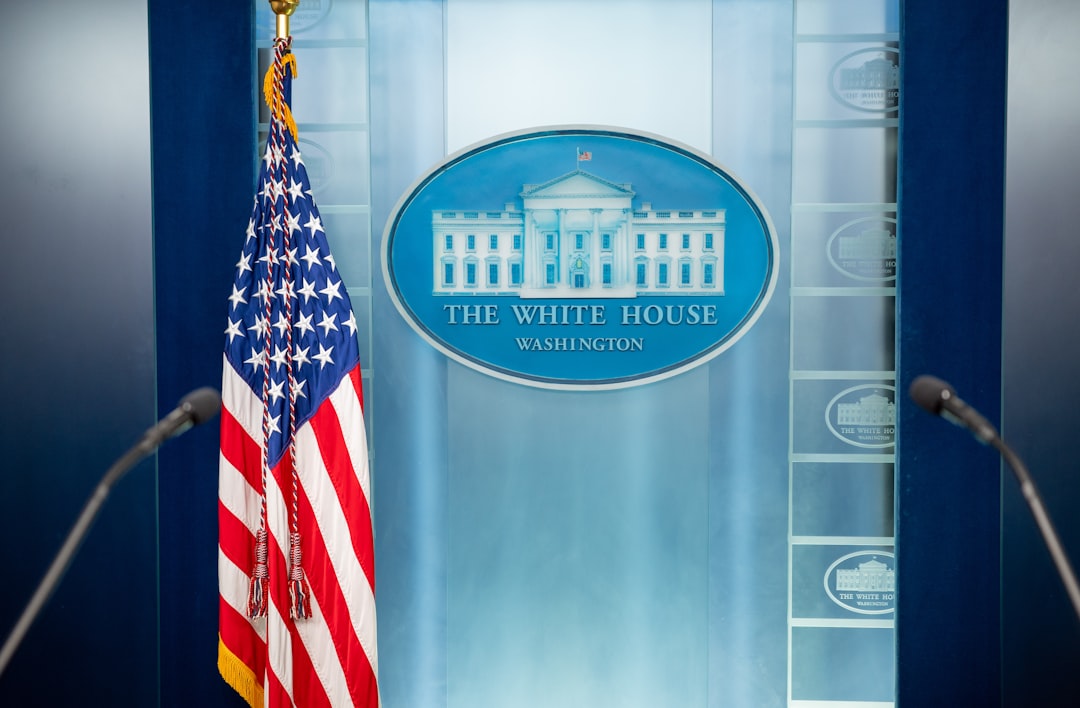
Thirty-three days into a war he launched without a congressional vote, President Donald Trump delivered his first address to the nation on the conflict with Iran. Speaking from the Cross Hall of the White House on Wednesday night, he declared that America’s “core strategic objectives are nearing completion.” In the same speech, he promised to “hit them extremely hard over the next two to three weeks” and threatened to send Iran “back to the Stone Ages.”1
That is not a speech about ending a war. That is a speech about escalating one while calling it finished.
Trump devoted much of the roughly 20-minute address to a catalogue of destruction. He described Iran’s navy as gone, its air force in ruins, most of its leaders dead, its Revolutionary Guard Corps decimated, its weapons factories blown to pieces. “Never in the history of warfare has an enemy suffered such clear and devastating large-scale losses in a matter of weeks,” he said.2
What he did not explain was why, if all of this is true, the war must continue at greater intensity. If Iran’s military has been “eviscerated” — his word — what strategic purpose is served by two to three more weeks of strikes? CBC’s analysis noted the contradiction directly: the president could not coherently claim that Iran’s military targets have been destroyed while simultaneously arguing the operation must escalate.3
❝ I thought we might hear a de-escalatory speech. I actually heard something quite different. I think this war is going to continue for some time.
— Brett McGurk, former senior White House official, after Trump’s addressBrett McGurk, a former senior White House official on Middle East policy, told CNN after the speech: “I thought we might hear a de-escalatory speech, that we’re going to wrap this up in a couple weeks. I actually heard something quite different. I think this war is going to continue for some time.”
The Strait of Hormuz — through which roughly 20% of the world’s oil passes — remains effectively closed. Iran has struck tankers from nations allied with the U.S. and controls passage through the waterway. Trump told the countries that depend on the strait’s oil to “just take it” and described the hard part as done.4
“Go to the strait and just take it,” he said. “Iran has been essentially decimated. The hard part is done, so it should be easy.”
He said the war is nearly over. Then he promised to hit Iran harder.
No country has acted on that advice. European allies have refused to send warships. Australia, which depends heavily on Hormuz oil shipments, has declined to participate. Oil prices surged past $105 per barrel during Trump’s speech. U.S. gas prices have risen from an average of $2.46 per gallon when the war began to over $4 — a 35% increase in 33 days.
Trump also threatened Iran’s civilian infrastructure. He said that if no deal is reached, the U.S. would strike “each and every one of their electric generating plants very hard and probably simultaneously.” He added: “We have not hit their oil, even though that’s the easiest target of all.”5
❝ Now those objectives have been realized, it is not clear what more needs to be achieved — or what the endpoint looks like.
— Anthony Albanese, Australian Prime Minister, April 2, 2026Targeting civilian power infrastructure — hospitals, water treatment, residential heating — would represent a significant escalation with serious implications under international humanitarian law. Trump framed it as leverage for negotiations, not as a military objective. Iran has denied that any serious talks are underway.
The human and economic toll is mounting. Thirteen U.S. service members have been killed. Iran says more than 1,700 of its people have died. In Lebanon, where Israel has expanded its ground operations against Hezbollah, more than 1,300 people have been killed and over a million displaced. Iranian missiles have struck targets across the Gulf — hitting fuel depots in Kuwait, an oil tanker leased to QatarEnergies, and central Israel, where 14 people including children were injured.6
Markets reacted negatively. S&P 500 futures dropped 0.75%. Nasdaq futures fell 1%. Dow futures slid more than 310 points. Asian markets fell sharply on Thursday — Japan’s Nikkei dropped 2.1%, South Korea’s Kospi fell 3.9%. Australia’s prime minister said that now that Iran’s offensive capabilities have been degraded, “it is not clear what more needs to be achieved — or what the endpoint looks like.”
Most Americans agree. Multiple polls show majorities opposing the war, with even larger majorities opposing ground troops. Trump’s approval rating has hit second-term lows. The war has divided his own base, as supporters who backed him on promises to avoid foreign interventions reconcile those pledges with a conflict now entering its second month.7
Janice Stein, founding director of the Munk School of Global Affairs in Toronto, told CBC she was “astonished” by the speech — not by what Trump said, but by what he failed to address: any coherent exit strategy, any explanation of what victory looks like if the regime stays in power, or any plan for the Strait of Hormuz beyond telling other countries to handle it themselves.
U.S. intelligence agencies assessed on March 18 that the Iranian regime remains “intact but largely degraded.” The people who have replaced killed senior leaders are, according to Western officials, equally hard-line or more militant than their predecessors.8
The president stood at a podium 33 days into a war and declared it nearly over. Then he promised to intensify it. He described an enemy that has been eviscerated — and said he would hit it harder. He told countries choking on $105 oil to go to the strait and “just take it.” He threatened to destroy civilian power plants. He said regime change was never the goal — while the regime remains in power, the strait remains closed, and gas prices have risen 35% in a month. Markets fell. Allies refused to participate. Thirteen Americans are dead. And the president, in his first address on the war, spent his opening remarks congratulating NASA on a moon launch. The war is not nearing completion. The contradictions are.
Every source. Every contradiction. Yours to share.