Trump's aluminum tariffs punish the world's greenest producer to protect an industry that can't meet American demand — and Canada is finally looking for customers who aren't trying to bankrupt it.
In 2018, Donald Trump imposed 10% tariffs on aluminum imports from most countries, citing national security under Section 232 of the Trade Expansion Act. Canada — America’s closest military ally, its largest aluminum supplier, and the producer of the cleanest aluminum on earth — was initially exempted. That exemption did not last. In 2025, Trump raised the rate to 50%, eliminated all country exemptions including Canada’s, and expanded the tariffs to cover hundreds of “derivative” products containing aluminum — from canned goods to industrial wires.1
The result, as Cato Institute economist Scott Lincicome wrote in Bloomberg this week, is “the world’s dumbest tariff.” With the Iran war threatening global supplies of energy-intensive materials, the United States is not preparing for the crisis. It is making it worse — taxing the very imports its own manufacturers depend on, from the one ally best positioned to supply them.2
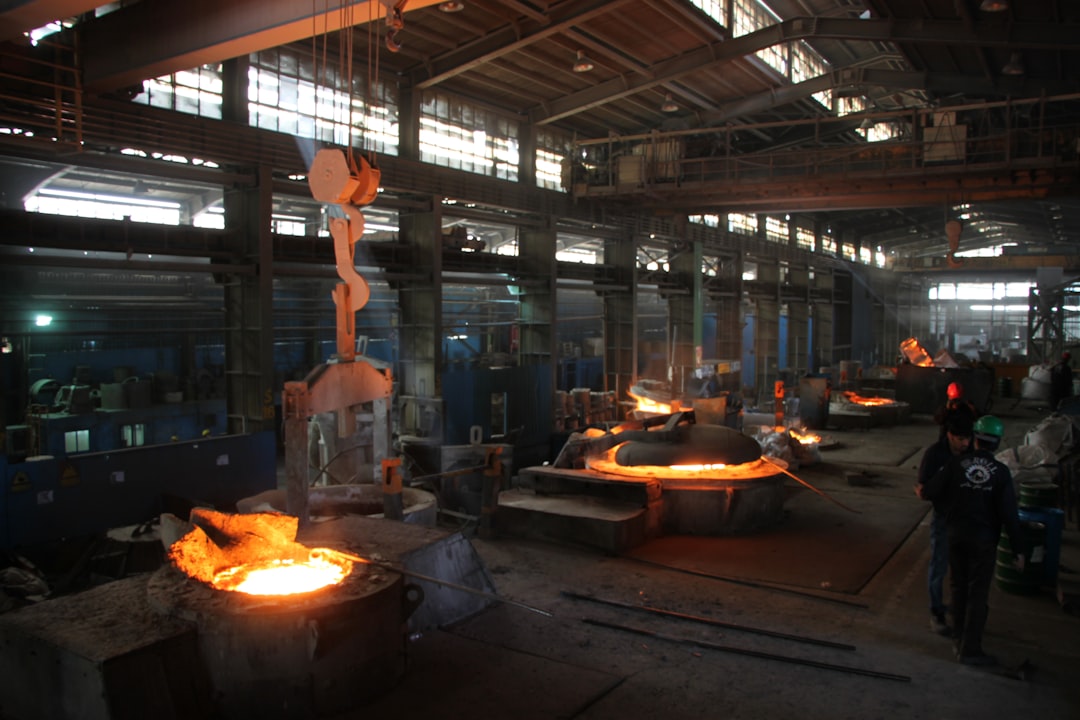
Consider what Canada actually produces. Nine smelters — eight in Quebec, one in British Columbia — produce 3.3 million tonnes of primary aluminum per year, making Canada the world’s fourth-largest producer. Ninety-six percent of that production is powered by hydroelectricity. Each tonne of aluminum produced in Quebec generates five times fewer greenhouse gas emissions than the global average. Canadian aluminum has the lowest carbon footprint of any major producer on the planet.3
In 2024, Canadian aluminum exports were valued at $17.4 billion. Ninety-one percent went to the United States. The industry supports 9,800 direct jobs and roughly 29,500 direct and indirect jobs across the country. Quebec alone is home to 2,400 suppliers and 1,700 manufacturers in the broader aluminum supply chain.
This is not a hostile foreign competitor dumping cheap product. This is a democratic ally running the greenest aluminum operation in the world on renewable energy, and shipping it across a shared border to feed American manufacturing.
The tariffs are doing exactly what economists predicted. The U.S. Midwest premium — the amount added to global benchmarks to deliver aluminum domestically — climbed above $1 per pound for the first time in January 2026, more than doubling since the 50% tariff took effect. American manufacturers who consume aluminum outnumber American aluminum producers 80 to 1. A 2018 Federal Reserve analysis found steel-consuming jobs outnumber steel-producing jobs by the same ratio — meaning the tariffs destroy far more jobs downstream than they create upstream.4
A March 2018 Chicago Booth survey of 43 leading economists found that zero percent believed U.S. tariffs on steel and aluminum would improve Americans’ welfare. Not a minority. Not a split opinion. Zero.5
He called it national security. He taxed his own ally’s cleanest aluminum at 50%.
By February 2026, even the Trump administration was quietly backing away. Bloomberg reported the White House was working to narrow the scope of derivative tariffs after companies complained they were too complex to calculate and too expensive to comply with. U.S. Trade Representative Jamieson Greer acknowledged companies were hiring extra staff just for compliance. “We’re not trying to have people do so much bean counting they’re not running their company correctly,” Greer said.6
❝ We’re not trying to have people do so much bean counting they’re not running their company correctly.
— Jamieson Greer, U.S. Trade Representative, acknowledging tariff compliance burden, February 2026Canada is not waiting for Washington to come to its senses. For the first time, Canadian aluminum is flowing to new markets. Trade data shows Canada significantly increased aluminum shipments to Europe in 2025 as a direct result of the U.S. tariffs. The EU’s Carbon Border Adjustment Mechanism, which takes effect in 2026, will impose a carbon price on imported energy-intensive goods — giving Canada’s hydroelectric aluminum a decisive cost advantage over coal-powered competitors from China and the Middle East.7
Prime Minister Carney pledged in October 2025 to double Canada’s non-U.S. exports by 2035. International Trade Minister Maninder Sidhu has launched consultations on new trade agreements with India, Indonesia, and others. Ottawa pledged $159 million over three years for trade-financing programs to help firms enter new markets. The message to Canadian aluminum producers is explicit: stop relying on one customer.8
❝ Canadians have woken up. We are overexposed to the U.S., and we need to be able to diversify into other markets.
— Maninder Sidhu, Canada’s International Trade Minister, 2025The irony is structural. Trump’s tariffs were justified on national security grounds — the argument that the U.S. needs a domestic aluminum supply base to maintain military readiness. But Canada is not a security threat to the United States. It is a NATO ally, a NORAD partner, and the only country that shares a binational military command with America. Canadian aluminum goes into American fighter jets, armored vehicles, and naval ships. Taxing it at 50% does not strengthen American security. It weakens the supply chain that American security depends on.
The United States slapped a 50% tariff on aluminum from its closest ally — a country that produces the greenest aluminum in the world, powered almost entirely by hydroelectricity, and ships it across an undefended border to feed American factories. The tariff has doubled the domestic premium, forced manufacturers to hire compliance staff instead of production workers, and driven Canadian producers toward European and Asian customers for the first time. A survey of 43 economists found zero who believed this policy would improve American welfare. Canada is now diversifying — not because it wants to, but because its neighbour made staying a worse deal than leaving.
Every source. Every contradiction. Yours to share.