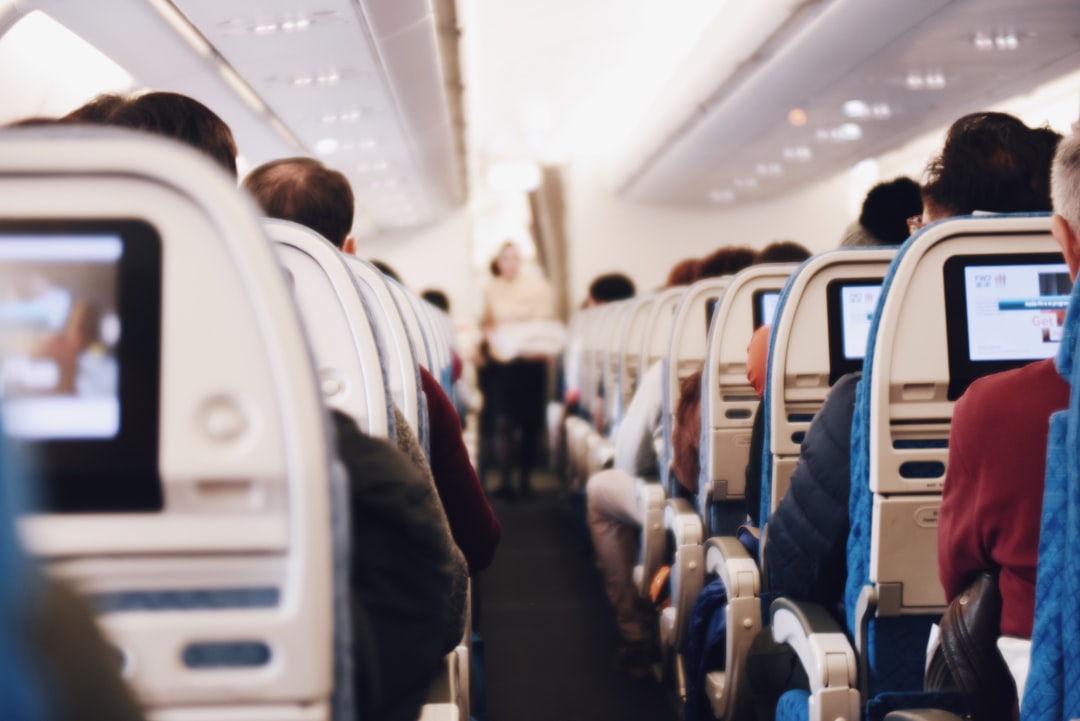
Three weeks before WestJet's cramped seats went viral, a formal safety hazard report called the configuration an "imminent risk." Transport Canada's response: silence.
On November 29, 2025, a passenger on a WestJet flight from Puerto Vallarta to Calgary could not fit into his seat. The man — described in a Transport Canada report as having a large height and body structure — was sitting in an aisle seat on a reconfigured Boeing 737 that had been modified to squeeze an extra row into the cabin, reducing legroom to 28 inches.1 He could not stand. He could not exit the row. The cabin crew tried to move him to a seat with more legroom, but he was physically trapped.2
Six days later, on December 5, a Calgary-based WestJet flight attendant filed a five-page safety hazard report with Transport Canada’s civil aviation branch. The report used the words “imminent safety risk” and called for a “prompt review.”3
Transport Canada responded on December 30 — twenty-five days later.4
A passenger was trapped. A report was filed. The regulator waited. There is still no law.
By then, the damage was done in public. On December 26, a TikTok video showing an Alberta family struggling to fit into their WestJet seats had gone viral, drawing over 1.1 million views.5 On January 16, WestJet announced it was reversing the seat configuration entirely.6 The reversal came from consumer backlash — not from government action.
❝ I am intentionally using the term ‘imminent risk’ because a real obstruction occurred and could occur again under similar conditions.
— WestJet Flight Attendant, Safety Hazard Report, December 5, 2025The documents, obtained through an Access to Information request by CBC News, raise a straightforward question: a federal employee formally told Transport Canada that passengers were at risk. Why did the regulator wait three weeks to even acknowledge the complaint?
Transport Canada said in a statement that it prioritizes passenger safety above all but confirmed that Canadian aviation regulations do not specify a minimum seat pitch.7 There is no federal standard for how much legroom a Canadian airline must provide. Airlines are not required to disclose seat pitch when passengers book a ticket.8
The flight attendant’s report was explicit about the danger. The trapped passenger could not self-evacuate due to the new pitch, legroom and lack of space. In an emergency, the report warned, this would endanger not only the trapped passenger but those in the middle and window seats, who would be unable to exit the row.9
WestJet’s CEO Alexis von Hoensbroech had personally sat in the reconfigured seats during a test flight in November — weeks before the safety report was filed. According to a union bulletin obtained by The Canadian Press, most executives on board acknowledged the configuration would present challenges on longer flights.10 They installed it anyway.
The airline had reconfigured 21 of its Boeing 737s by January, with plans for 43 total — more than a quarter of its jet fleet. The 28-inch seat pitch matched ultra-low-cost carriers like Spirit Airlines and Frontier Airlines.11 No other large Canadian carrier had seats that tight.
WestJet’s pilots’ union was direct. The reconfiguration reduces the superior safety margins of previous layouts due to increased cramping, said Jacob Astin, chair of the WestJet contingent of the Air Line Pilots Association. Legality ensures compliance, but not always optimal outcomes.12
❝ Legality ensures compliance, but not always optimal outcomes.
— Jacob Astin, Chair, WestJet Contingent, Air Line Pilots AssociationJohn Gradek, an aviation expert at McGill University, identified the regulatory gap. Neither Transport Canada, the U.S. Federal Aviation Administration, nor the European Union regulate seat pitch.13 Airlines are free to shrink legroom as much as they want, provided the seats pass a certification process — a process whose details Transport Canada refused to disclose.14
The Canadian Transportation Agency, which handles passenger complaints, says it cannot help with issues related to general customer service.15 Accessibility protections apply only to passengers with recognized disabilities — not to anyone who simply cannot fit in the seat they paid for.
A flight attendant filed a formal safety hazard report calling the seat configuration an “imminent risk.” Transport Canada took 25 days to respond. The airline reversed course only after a TikTok video made the story impossible to ignore. And today, there is still no federal law requiring a minimum amount of space between you and the seat in front of you on a Canadian flight.
Every source. Every contradiction. Yours to share.