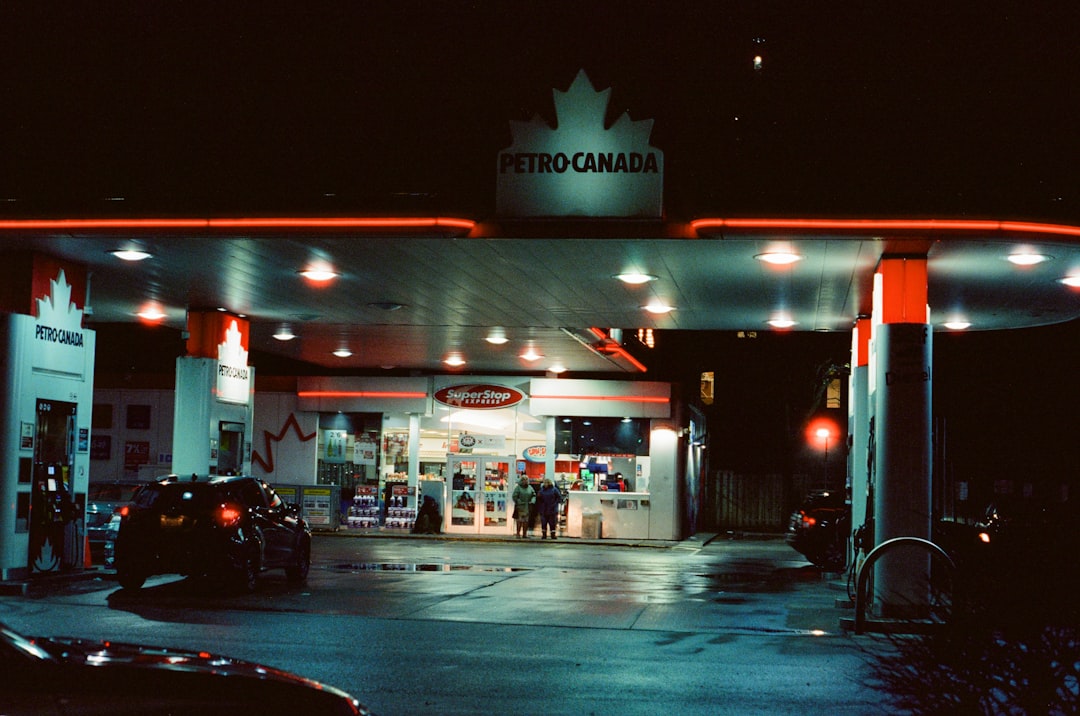
Australia halved fuel taxes. Italy, Spain, Ireland, and Portugal cut theirs. On April 1, Canada's industrial carbon tax rises to $110 per tonne — and Canadians pay up to 65 cents a litre in fuel taxes.
On April 1, while the Iran war drives global oil prices above $116 per barrel and Canadians face record fuel costs, the federal government will raise the industrial carbon tax to $110 per tonne. The consumer carbon tax was scrapped in April 2025 after massive public backlash. But the industrial carbon tax — which 70% of Canadians believe businesses pass on to consumers — keeps climbing. It is scheduled to reach $170 per tonne by 2030.1
At the same time, Canadians pay up to 65 cents per litre in combined fuel taxes — federal excise, provincial fuel taxes, carbon-embedded fuel regulations, and GST on top of all of it. That figure, cited by Canadian Taxpayers Federation Federal Director Franco Terrazzano on Bloomberg, makes Canada one of the most heavily taxed fuel markets in the democratic world.2
Now look at what every allied country is doing in the same crisis. Australia announced on March 30 that it will halve fuel and diesel taxes for three months — effective April 1. Prime Minister Anthony Albanese cited the “financial stress” caused by rising energy prices and said the move would save motorists roughly $13 per tank. Two Australian states — Victoria and Tasmania — have made public transit free to reduce demand at the pump.3
Italy implemented emergency fuel tax cuts for 20 days and offered tax credits to truckers to offset diesel costs. It is allocating €100 million to support the transport industry in 2026. Spain cut fuel and electricity taxes as part of a broad economic relief package announced March 20. Ireland reduced fuel excise taxes. Portugal cut fuel taxes for professional use and announced housing tax incentives alongside them — with the prime minister declaring Portugal was “the first European country to take measures in response to rising fuel prices.”4
❝ We understand the cost pressures for people are very real.
— Anthony Albanese, Australian Prime Minister, announcing fuel tax cut, March 30, 2026Croatia, Hungary, Slovakia, and Slovenia introduced temporary fuel price caps. France is restructuring diesel requirements to increase domestic production. Greece is considering a multi-million-euro support package for transport operators.
Canada is raising the carbon tax.
The cost to Canadians is not theoretical. A Fraser Institute study published March 26 — the first from its new macro modelling centre — projects that raising the industrial carbon price to $170 per tonne by 2030 will shrink the Canadian economy by 1.3%, eliminate 50,000 jobs, and reduce worker incomes by $1,160 per year.5
Every allied country is cutting fuel taxes. Canada is raising them.
The investment numbers are already devastating. Between 2014 and 2024, investment in Canada’s oil and gas sector plummeted from $84 billion to $35.7 billion — a decline of 57.5% after inflation. Even with a modest rebound projected for 2026, investment remains below 2024 levels. The Fraser Institute warns that higher carbon taxes will “deepen an investment downturn” and that “Canada’s ability to attract investment is at stake.”6
The Carney government’s position is that eliminating the consumer carbon tax was the concession — and that the industrial carbon tax makes “large companies pay for everybody.” Prime Minister Carney has said the increase represents “more than a six times increase in the industrial price on carbon.”7
Canadians are not buying it. Just 12% believe Carney’s claim that businesses will absorb most of the cost, according to a Leger poll. Nearly 70% say businesses will pass most or all of the cost to consumers. As Terrazzano put it: “It doesn’t matter what type of lipstick politicians put on their carbon tax pig. All carbon taxes make life more expensive.”
❝ It doesn’t matter what type of lipstick politicians put on their carbon tax pig. All carbon taxes make life more expensive.
— Franco Terrazzano, Federal Director, Canadian Taxpayers FederationCanada now ranks 27th out of 38 OECD countries on individual tax competitiveness and 22nd on business tax competitiveness, according to the Tax Foundation. It trails the United States on both measures. On April 1, the federal government will also hike alcohol taxes through the automatic escalator — the seventh consecutive year it has increased without a parliamentary vote. Payroll taxes are also rising, costing workers up to an additional $262.8
The income tax cut to the lowest bracket — from 15% to 14% — saves the average taxpayer $190. The payroll tax hikes claw most of that back. The industrial carbon tax increase adds the rest.
Australia is halving fuel taxes. Italy is giving tax credits to truckers. Spain is cutting fuel and electricity taxes. Ireland, Portugal, Croatia, Hungary, and Slovenia are all providing relief. Every major Western ally facing the same oil shock from the same war is doing the same thing: cutting fuel taxes to protect their citizens. Canada is the exception. On April 1, the Carney government will raise the industrial carbon tax to $110 per tonne — a tax that 70% of Canadians believe is passed directly to them — while Canadians already pay up to 65 cents per litre in fuel taxes. The allied world is giving relief. Canada is sending a bill.
Every source. Every contradiction. Yours to share.